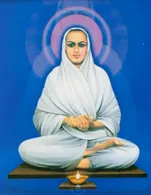
திருஅருட்பிரகாச வள்ளலார் அருளியஜீவகாருண்ய ஒழுக்கம்இரண்டாவது பிரிவு - ஆன்ம இன்ப வாழ்வு Jeeva Karunya Ozhukkam, Part 2
வள்ளலாரின் மூலப் பாடம் இங்கு முழுமையாக, 24 பகுதிகளாகத் தரப்படுகிறது. அவற்றுள் 24 பகுதிகளுக்கு எளிய தமிழ் உரையும் உண்டு; மீதமுள்ள 0 பகுதிகள் மூலம் மட்டும் கொண்டவை.
1மனிதப் பிறவியால் அடையக்கூடிய இன்பம் ஒரே வகையானது அல்ல; இம்மை, மறுமை, பேரின்பம் என மூன்று படிநிலைகளாக உள்ளது என்பதை முதலில் தெளிவாக அறிதல் வேண்டும்.
மூலம் Vallalar's own words
உலகத்தில் உயர்பிறப்பாகிய மனிதப் பிறப்பைப் பெற்றுக் கொண்டவர்கள் இந்தப் பிறப்பினால் அடையத்தக்க தலைப்பட்ட ஆன்ம இன்ப சுகத்தைக் காலமுள்ள போதே விரைந்து அறிந்து அடைய வேண்டும்.
அந்தத் தலைப்பட்ட ஆன்ம இன்ப வாழ்வு எத்தனை வகையென்றறிய வேண்டில்:- இம்மையின்ப வாழ்வு, மறுமையின்ப வாழ்வு, பேரின்ப வாழ்வு என மூன்றுவகை யென்று அறிய வேண்டும்.
எளிய தமிழ் உரை A plain-Tamil companion reading, not Vallalar's words
மனிதப் பிறப்பினால் விரைந்து அடைய வேண்டிய 'ஆன்ம இன்ப வாழ்வு' என்பது எத்தனை வகைப்படும்?
மனிதப் பிறவி எடுத்தவர்கள், இந்தப் பிறவியால் கிடைக்கத்தக்க ஆன்ம இன்பத்தை காலம் கடந்துவிடும் முன் விரைந்து தெரிந்துகொண்டு அடைய வேண்டும். அந்த ஆன்ம இன்ப வாழ்வு மூன்று வகைப்படும்: இம்மை இன்ப வாழ்வு (இந்தப் பிறவியிலேயே அனுபவிக்கும் இன்பம்), மறுமை இன்ப வாழ்வு (உயர்ந்த பிறவியில் அனுபவிக்கும் இன்பம்), பேரின்ப வாழ்வு (எல்லாவற்றையும் கடந்த இறைவனின் முழுமையான இன்பம்).
மையக் கருத்து The core idea
மனிதப் பிறவியால் அடையக்கூடிய இன்பம் ஒரே வகையானது அல்ல; இம்மை, மறுமை, பேரின்பம் என மூன்று படிநிலைகளாக உள்ளது என்பதை முதலில் தெளிவாக அறிதல் வேண்டும்.
A plain companion reading Not Vallalar's words
How many types are there of the 'life of soul happiness' that should be attained quickly through human birth?
Those who have taken human birth must quickly learn and attain the soul happiness obtainable through this birth before time passes. That life of soul happiness is of three types: the life of happiness of this world (happiness experienced in this very birth), the life of happiness of the other world (happiness experienced in a higher birth), and the life of supreme bliss (the complete happiness of God who transcends everything).
The core idea
One must first know clearly that the happiness that can be attained through human birth is not of a single type; it exists as three stages, namely this world, the other world, and supreme bliss.
Machine translation from the Tamil
2இம்மை இன்பம் என்பது இந்தப் பிறவியிலேயே கிடைக்கும் சிற்றின்பம்; அது நல்லறிவு, உடல்நலம், நல்ல உறவுகள், நல்ல குடும்பம் இவற்றுடன் கூடிய குறைவற்ற…
மூலம் Vallalar's own words
இம்மை யின்பமாவது:- சிறிய தேககரணங்களைப் பெற்றுச் சிறிய முயற்சியால் சிறிய விடயங்களைச் சிலநாள் அனுபவிக்கின்ற இன்பத்தை இம்மை யின்பம் என்றறிய வேண்டும்.
இம்மை இன்ப லாபமாவது:- மனிதப்பிறப்பில் தேகத்திலும் கரணங்களிலும் புவனத்திலும் போகங்களிலும் குறைவின்றி நல்லறிவு உடையவர்களாய், பசி பிணி கொலை முதலிய தடைகளில்லாமல், உறவினர் சினேகர் அயலார் முதலியருந் தழுவ, சந்ததி விளங்கத்தக்க சற்குணமுள்ள மனைவியுடன், விடயங்களைச் சில நாள் அனுபவிக்கின்றதை இம்மையின்ப லாபம் என்றறிய வேண்டும்.
எளிய தமிழ் உரை A plain-Tamil companion reading, not Vallalar's words
'இம்மை இன்பம்' என்றால் என்ன? அதை முழுமையாக அடைந்தவர் வாழ்க்கை எப்படி இருக்கும்?
சிறிய உடலையும் புலன்களையும் கொண்டு, சிறிய முயற்சியால், சிறிய விஷயங்களை சில நாட்களே அனுபவிக்கும் இன்பமே இம்மை இன்பம். இதை முழுமையாக அடைந்தவர், உடலிலும் புலன்களிலும் வாழும் உலகிலும் அனுபவிக்கும் விஷயங்களிலும் குறைவில்லாத நல்லறிவு பெற்று, பசி நோய் கொலை போன்ற தடைகள் இல்லாமல், உறவினர் நண்பர் அயலார் அனைவரும் அன்பு காட்ட, நல்ல சந்ததி தரும் நற்குணமுள்ள மனைவியுடன் சில நாட்கள் வாழ்க்கை விஷயங்களை அனுபவிப்பவர்.
மையக் கருத்து The core idea
இம்மை இன்பம் என்பது இந்தப் பிறவியிலேயே கிடைக்கும் சிற்றின்பம்; அது நல்லறிவு, உடல்நலம், நல்ல உறவுகள், நல்ல குடும்பம் இவற்றுடன் கூடிய குறைவற்ற வாழ்க்கையாகும்.
A plain companion reading Not Vallalar's words
What is 'happiness of this world'? How will the life of one who has fully attained it be?
Happiness of this world is the happiness of experiencing small things for only a few days, with a small body and senses, through small effort. The one who has fully attained this is one who, having gained flawless good intellect in the body, senses, living world, and experienced matters, without obstacles such as hunger, disease, and murder, with relatives, friends, and neighbors all showing love, experiences worldly matters for a few days with a good-natured wife who gives good progeny.
The core idea
Happiness of this world is minor pleasure obtained in this very birth; it is a flawless life accompanied by good intellect, health, good relationships, and a good family.
Machine translation from the Tamil
3மறுமை இன்பம் என்பது இம்மை இன்பத்தின் பெரிய, நீண்ட வடிவம்; அதே நற்குணங்களை உயர்ந்த பிறவியில், தூய்மையான நிலையில், நீண்ட காலம் அனுபவிப்பதாகும்.
மூலம் Vallalar's own words
மறுமை யின்பமாவது:- உயர்பிறப்பில் பெரிய தேககரணங்களைப் பெற்றுப் பெருமுயற்சியால் பெரிய விஷயங்களைப் பலநாள் அனுபவிக்கின்ற இன்பத்தை மறுமை யின்பம் என்றறிய வேண்டும்.
மறுமையின்ப லாபமாவது:- உயர்பிறப்பைப் பெற்று இம்மையின்பலாபத்தில் குறிக்கப்பட்ட நற்குணங்களெல்லாம் பொருந்த உயர் நிலையில் சுத்த விடயங்களைப் பலநாள் அனுபவிக்கின்ற இன்ப லாபத்தை மறுமையின்ப லாபம் என்றறிய வேண்டும்.
எளிய தமிழ் உரை A plain-Tamil companion reading, not Vallalar's words
'மறுமை இன்பம்' இம்மை இன்பத்திலிருந்து எப்படி வேறுபடுகிறது?
உயர்ந்த பிறவியில் பெரிய உடலையும் புலன்களையும் கொண்டு, பெரிய முயற்சியால், பெரிய விஷயங்களை பல நாட்கள் அனுபவிக்கும் இன்பமே மறுமை இன்பம் - இம்மை இன்பத்தை விட அளவிலும் காலத்திலும் பெரியது. மறுமையின்ப லாபத்தை அடைந்தவர், உயர்ந்த பிறவி பெற்று, இம்மை இன்ப லாபத்தில் குறிப்பிட்ட அத்தனை நற்குணங்களும் பொருந்த, உயர்ந்த நிலையில் தூய்மையான விஷயங்களை பல நாட்கள் அனுபவிப்பவர்.
மையக் கருத்து The core idea
மறுமை இன்பம் என்பது இம்மை இன்பத்தின் பெரிய, நீண்ட வடிவம்; அதே நற்குணங்களை உயர்ந்த பிறவியில், தூய்மையான நிலையில், நீண்ட காலம் அனுபவிப்பதாகும்.
A plain companion reading Not Vallalar's words
How does 'happiness of the other world' differ from happiness of this world?
Happiness of the other world is the happiness of experiencing big things for many days, with a large body and senses in a higher birth, through great effort, greater in measure and time than happiness of this world. One who has attained the gain of happiness of the other world is one who, having obtained a higher birth, endowed with all the good qualities mentioned in the gain of happiness of this world, experiences pure matters in an elevated state for many days.
The core idea
Happiness of the other world is a larger, longer form of happiness of this world; it is experiencing the same good qualities in a higher birth, in a pure state, for a long time.
Machine translation from the Tamil
4பேரின்பம் இம்மை மறுமை இன்பங்களைப் போல வரையறுக்கப்பட்டதன்று; அது கடவுளின் முழுமையான, தடையற்ற, என்றும் நிலைத்த இன்பமாகும், அதை அடைந்தவர்க்கு தானும்…
மூலம் Vallalar's own words
பேரின்பமாவது:- எல்லாத் தேகங்களையும், எல்லாக் கரணங்களையும், எல்லாப் புவனங்களையும், எல்லாப் போகங்களையும், தமது பூரண இயற்கை விளக்கமாகிய அருட்சத்தியின் சந்நிதி விசேடத்தால் தோன்றி விளங்க விளக்கஞ் செய்விக்கின்ற பூரண இயற்கை உண்மை வடிவினராகிய கடவுளின் பூரண இயற்கை இன்பத்தைப் பெற்று, எக்காலத்தும் எவ்விடத்தும் எவ்விதத்தும் எவ்வளவும் தடைபடாமல் அனுபவிக்கப்படுகின்ற ஒப்பற்ற அந்தப் பெரிய இன்பத்தைப் பேரின்பமென்றறிய வேண்டும்.
பேரின்ப லாபமாவது:- யாவுந் தாமாய் விளங்குவதே.
எளிய தமிழ் உரை A plain-Tamil companion reading, not Vallalar's words
இம்மை, மறுமை இன்பங்களுக்கும் மேலான 'பேரின்பம்' என்பது என்ன?
எல்லா உடல்களையும் புலன்களையும் உலகங்களையும் அனுபவங்களையும் தோன்றி விளங்கச் செய்யும் தன் முழுமையான அருட்சக்தியின் சந்நிதானத்தால், இயற்கை உண்மை வடிவினரான கடவுளின் முழுமையான இயற்கை இன்பத்தைப் பெற்று, எக்காலத்திலும் எவ்விடத்திலும் எவ்விதத்திலும் எந்த அளவிலும் தடையின்றி அனுபவிக்கப்படும் ஒப்பற்ற பெரிய இன்பமே பேரின்பம். அதன் இலாபம் என்பது, எல்லாமே தானாகவே விளங்குவது - தானும் இறைவனும் வேறின்றி, அனைத்தும் தன்னுள்ளேயே ஒளிர்வதாக அனுபவமாதல்.
மையக் கருத்து The core idea
பேரின்பம் இம்மை மறுமை இன்பங்களைப் போல வரையறுக்கப்பட்டதன்று; அது கடவுளின் முழுமையான, தடையற்ற, என்றும் நிலைத்த இன்பமாகும், அதை அடைந்தவர்க்கு தானும் கடவுளும் வேறின்றி எல்லாமே தானாகவே விளங்கும்.
A plain companion reading Not Vallalar's words
What is 'supreme bliss', which is superior to the happiness of this world and the other world?
Supreme bliss is the matchless great happiness that is experienced without hindrance at all times, in all places, in all ways, and to any extent, by receiving the complete natural happiness of God, who is of the form of natural truth, through the presence of His complete grace power that causes all bodies, senses, worlds, and experiences to appear and shine. Its gain is that everything shines of itself, experiencing that oneself and God are not different, and that all shines within oneself.
The core idea
Supreme bliss is not limited like the happiness of this world and the other world; it is the complete, unhindered, ever-lasting happiness of God, and to the one who has attained it, oneself and God are not different, and everything shines of itself.
Machine translation from the Tamil
5இம்மை இன்பம் அடைந்தவரின் பெருமை, இன்பம் அனுபவிப்பதில் மட்டுமன்று; நற்குணங்களுடன் முயன்று உழைத்து, புகழுடன் வாழ்வதிலேயே அந்தப் பெருமை அடங்கியுள்ளது.
மூலம் Vallalar's own words
இம்மை இன்பத்தை யடைந்தவர் பெருமை எதுவென் றறிய வேண்டில்:- அன்பு, தயை, ஒழுக்கம், அடக்கம், பொறுமை, வாய்மை, தூய்மை முதலிய சுபகுணங்களைப் பெற்று விடய இன்பங்களை வருந்தி முயன்று அனுபவித்துப் புகழ்படவாழ்தலென் றறிய வேண்டும்.
எளிய தமிழ் உரை A plain-Tamil companion reading, not Vallalar's words
இம்மை இன்பத்தை அடைந்தவரின் சிறப்பு எதில் இருக்கிறது?
இம்மை இன்பத்தை அடைந்தவரின் பெருமை என்பது, அன்பு, இரக்கம், ஒழுக்கம், அடக்கம், பொறுமை, உண்மை, தூய்மை போன்ற நற்குணங்களைப் பெற்று, வாழ்க்கை இன்பங்களை உழைத்து முயன்று அனுபவித்து, புகழுடன் வாழ்வதில் இருக்கிறது.
மையக் கருத்து The core idea
இம்மை இன்பம் அடைந்தவரின் பெருமை, இன்பம் அனுபவிப்பதில் மட்டுமன்று; நற்குணங்களுடன் முயன்று உழைத்து, புகழுடன் வாழ்வதிலேயே அந்தப் பெருமை அடங்கியுள்ளது.
A plain companion reading Not Vallalar's words
In what does the greatness of the one who has attained the happiness of this world lie?
The glory of the one who has attained the happiness of this world lies in possessing good qualities like love, compassion, discipline, humility, patience, truth, and purity, laboring, striving, experiencing the pleasures of life, and living with fame.
The core idea
The glory of the one who has attained the happiness of this world is not only in experiencing happiness; that glory lies in striving and laboring with good qualities, and living with fame.
Machine translation from the Tamil
6மறுமையின்ப லாபம் அடைந்தவரின் பெருமை, அதே நற்குணங்களுடன், தடையின்றி நீண்ட காலம் தூய இன்பங்களை அனுபவிப்பதில் இருக்கிறது.
மூலம் Vallalar's own words
மறுமையின்ப லாபத்தை யடைந்தவர் பெருமை யாதென்றறிய வேண்டில்:- அன்பு தயை முதலிய சுப குணங்களைப் பெற்றுச் சுத்த விடய இன்பங்களை எண்ணியபடி தடைபடாமல் முயன்று பலநாளனுபவித்துப் புகழ்படவாழ்தலென் றறிய வேண்டும்.
எளிய தமிழ் உரை A plain-Tamil companion reading, not Vallalar's words
மறுமையின்ப லாபத்தை அடைந்தவரின் பெருமை இம்மை இன்பம் அடைந்தவரிடமிருந்து எப்படி வேறுபடுகிறது?
மறுமையின்ப லாபத்தை அடைந்தவரின் பெருமையும் அன்பு, இரக்கம் முதலிய நற்குணங்களில் இருக்கிறது; ஆனால் இங்கு தூய்மையான இன்பங்களை நினைத்தபடியே எந்தத் தடையுமின்றி முயன்று, நீண்ட நாட்கள் அனுபவித்து புகழுடன் வாழ்வதில் அந்தப் பெருமை உள்ளது.
மையக் கருத்து The core idea
மறுமையின்ப லாபம் அடைந்தவரின் பெருமை, அதே நற்குணங்களுடன், தடையின்றி நீண்ட காலம் தூய இன்பங்களை அனுபவிப்பதில் இருக்கிறது.
A plain companion reading Not Vallalar's words
How does the glory of the one who has attained the gain of happiness of the other world differ from the one who has attained happiness of this world?
The glory of the one who has attained the gain of happiness of the other world also lies in good qualities such as love and compassion; but here, that glory lies in striving without any hindrance just as desired, experiencing pure pleasures for many days, and living with fame.
The core idea
The glory of the one who has attained the gain of happiness of the other world lies in experiencing pure pleasures without hindrance for a long time, with the same good qualities.
Machine translation from the Tamil
7பேரின்ப லாபம் என்பது ஐம்பூதங்களாலும் காலத்தாலும் கட்டுப்படாத நிலை; அதை அடைந்தவரின் அறிவும் செயலும் அனுபவமும் கடவுளுடையதே ஆகிவிடும் என்பதே அதன் பெருமை…
மூலம் Vallalar's own words
பேரின்ப லாபத்தை யடைந்தவர் பெருமை எது என்றறிய வேண்டில்:- தோல், நரம்பு, என்பு, தசை, இரத்தம், சுக்கிலம் முதலிய அசுத்தபூத காரியங்களும் அவற்றின் காரணங்களாகிய அசுத்த பிரகிருதி அணுக்களுமாகிய தேகத்தை மாற்றி, மாற்று இவ்வளவு என்றறியப்படாத உயர்ந்த பொன்னாகிய சுத்த பூதகாரிய சுத்த தேகத்தையும், பொன்வடிவாகத் தோன்றுதல் மாத்திரமேயன்றி ஆகாயம்போல் பரிசிக்கப்படாத சுத்தபூதகாரண பிரணவ தேகத்தையும் தோன்றப்படுதலுமின்றி ஆகாயம்போல் விளங்குகின்ற ஞானதேகத்தையும் பெற்றவர்களா யிருப்பார்கள். உள்ளே மண்ணினது திண்மையால் தறிக்கப்படார்கள்; புறத்தே மண் கல் முதலியவற்றால் எறியினும் அவை அவர் வடிவில் தாக்குவனவல்ல. உள்ளே நீரினது தன்மையால் குளிரப்படார்கள்; புறத்தே நீரிலழுத்தினும் அவர் வடிவம் அழுந்தாது. உள்ளே நெருப்பினது வெம்மையால் சுடப்படார்கள்; புறத்தே நெருப்பிற் சுடினும் அவர் தேகத்தில் சூடும் வடுவும் தோன்றுவனவல்ல. உள்ளே காற்றினது ஊக்கத்தால் அசைக்கப்படார்கள்; புறத்தே காற்று அவர் வடிவைப் பரிசித் தசைக்கமாட்டாது. உள்ளே ஆகாயத்தினது கலப்பினால் அந்தரிக்கப்படார்கள்; புறத்தே ஆகாயம் அவர் தேகத்தை அந்தரிக்கமாட்டாது. ஆதாரத்திலன்றி நிராதாரத்திலும் அவர் தேகம் உலாவும். அவரது கண்கள் முதலிய ஞானேந்திரியங்களும் வாக்கு முதலிய கர்மேந்திரியங்களும் பார்த்தல் முதலிய விஷயங்களையும் பேசுதல் முதலிய விஷயங்களையும் பற்றுவனவல்ல; தயையினால் விஷயங்களைப் பற்றவேண்டில், சுவர் மலை முதலிய தடைகளும் அவர் கண்களை மறைப்பன வல்ல. அண்ட பிண்டங்களில் அகம் புறம் முதலிய எவ்விடத்துமுள்ள விடயங்களை அவர் கண்கள் இருந்த விடத்திருந்தே கண்டறியும். அண்ட பிண்டங்களி லெவ்விடத்திருந்து பேசினும் அவர் செவிகள் இருந்த விடத்திருந்தே கேட்டறியும். எவ்விடத் திருக்கின்ற ரசங்களையும் அவர் நா இருந்த விடத்திருந்தே சுவைத்தறியும். எவ்விடத்திருக்கின்ற பரிசங்களையும் அவர் மெய் இருந்த விடத்திருந்தே பரிசித்தறியும். எவ்விடத் திருக்கின்ற சுகந்தகங்களையும் அவர் நாசி இருந்த இடத் திருந்தே முகர்ந்தறியும். எவ்விடத்திலிருக்கின்றவர்களுக்கும் அவரது கைகள் இருந்த விடத்திருந்தே கொடுத்தல் கூடும். எவ்விடத்திலும் அவரது கால்கள் இருந்த விடத்திருந்தே நடத்தல் கூடும். அவரது வாக்கு எவ்விடத்திலிருக்கின்ற எவ்வௌர்களோடும் இருந்த விடத்திருந்தே பேசுதல் கூடும். மற்ற இந்திரியங்கள் இருந்த விடத்திருந்தே எவ்விடத்தும் ஆனந்தித்தல் கூடும். மன முதலான கரணங்கள் எப்படிப்பட்ட விஷயங்களையும் பற்றுவனவல்ல; தயவினால் பற்றத் தொடங்கில் எல்லா உயிர்களினது எல்லாச் சங்கற்ப விகற்பங்களையும் ஒரு நிமிடத்தில் ஒருங்கே நினைத்து விசாரித்து நிச்சயித்துக் கொள்ளும். அவரறிவு ஒன்றையும் சுட்டியறியாது; தயவினால் சுட்டியறியத் தொடங்கில் எல்லா அண்டங்களையும் எல்லா உயிர்களையும் எல்லாப் பண்புகளையும் எல்லா அனுபவங்களையும் எல்லா பயன்களையும் ஒருங்கே ஒரு நிமிடத்தில் சுட்டி யறியும். அவர்கள் நிர்க்குணத்தராவார்களல்லது, தாமச இராசத சாத்துவிக முதலிய முக்குணங்களாலும் உள்ளே விகாரப்படார்கள்; புறத்தே அவரது குணங்கள் கரணங்களைப் பற்றுவனவல்ல. உள்ளே பிரகிருதியினால் மூடப்படார்கள்; புறத்தே அவரது பிரகிருதி குணங்களைப் பற்றுவனவல்ல. உள்ளே காலதத்துவத்தால் வேற்றுமைப்படார்கள்; புறத்தே காலத்தால் அவரது திருமேனி தடைபடாது. உள்ளே நியதி அளவால் அளக்கப்படார்கள்; புறத்தே நியதியால் அவரது திருமேனி வரைபடாது. அன்றிக் காலம் வித்தை ராகம் புருடன் முதலிய மற்றைத் தத்துவங்களும் தத்துவ காரியங்களும் அவர்களுக்கு இல்லை. மாயையால் பேதப்படார்கள்; சுத்தமகாமாயையைக் கடந்து அதன்மேல் அறிவுருவாக விளங்குவார்கள். ஆகாரம், நித்திரை, மைதுனம், பயம் என்பவைகளால் தடைபடார்கள். அவர்கள் தேகத்திற்குச் சாயை, வியர்வை, அழுக்கு, நரை, திரை, மூப்பு, இறப்பு முதலிய குற்றங்கள் உண்டானவல்ல. பனி, மழை, இடி, வெயில் முதலியவற்றாலும், இராக்கதர், அசுரர், பூதம், பிசாசு முதலியவற்றாலும், தேவர், முனிவர், மனிதர், நரகர், மிருகம், பறவை, ஊர்வன, தாவரம் என்பவைகளாலும் எவ்விடத்தும் எக்காலத்தும் அவர் தேகம் வாதிக்கப்படாது; வாள் கத்தி முதலிய கருவிகளாலும் கண்டிக்கப்படாது. எல்லா அண்டங்களும் அணுக்கள் போலச் சிறிதாகத் தோற்றலும், எல்லா அணுக்களும் அண்டங்கள் போலப் பெரிதாகத் தோற்றலும் அவர் தேகத்திற்கு உரித்து. இறந்தோரை எழுப்புதல் வார்த்திபரை வாலிபராக்கல் முதலிய கருமசித்திகளும் யோகசித்திகளும் ஞானசித்திகளும் அவர் சந்நிதியில் இடைவிடாது விளங்கும். சிருஷ்டித்தல், காத்தல், அழித்தல், மறைத்தல், அனுக்கிரகித்தல் என்கின்ற கிருத்தியங்களும் அவர் நினைத்த மாத்திரத்தில் நடக்கும். பஞ்சகர்த்தாக்களும் அவர் கடைக்கண் பார்வையால் தங்கள் தங்கள் தொழில் நடத்துவார்கள். அவர்கள் அறிவு கடவுளறிவாக இருக்கும். அவர்கள் செய்கை கடவுள் செய்கையாக இருக்கும். அவர்கள் அனுபவம் கடவுள் அனுபவமாக இருக்கும். சர்வசக்தியு முடையவர்களாய், எக்காலத்தும் அழிவில்லாதவர்களாய், ஆணவம், மாயை கன்மம் என்னும் மும்மலங்களும் அம்மலவாதனைகளும் இல்லாதவர்களாய், பேரருள்வண்ண முடையவர்களாய் விளங்குவார்கள். ஜடமாகிய ஒரு துரும்பும் அவரது திருநோக்கத்தால் உயிர் பெற்றுப் பஞ்சகிருத்தியங்களும் செய்யும். அவரது பெருமை வேதாந்த, சித்தாந்த, கலாந்த, போதாந்த, நாதாந்த, யோகாந்தம் என்கின்ற ஆறந்தங்களிலும் விளங்கும்; அவற்றைக் கடந்தும் விளங்குமென்று அறியவேண்டும். இவை பேரின்பலாபத்தை யடைந்தவர் பெருமை யென்று அறிய வேண்டும்.
எளிய தமிழ் உரை A plain-Tamil companion reading, not Vallalar's words
பேரின்ப லாபத்தை அடைந்தவரின் பெருமை - அதாவது முழுமையாக விடுதலை பெற்றவரின் நிலை - எத்தகையது என வள்ளலார் விளக்குகிறார்?
பேரின்ப லாபம் அடைந்தவரின் உடல் நிலையை வள்ளலார் இங்கு விவரிக்கிறார். தோல், நரம்பு, எலும்பு, தசை, இரத்தம் போன்ற அசுத்தப் பொருள்களால் ஆன தேகம் மாறி, முதலில் அளவிடமுடியாத தூய பொன் போன்ற தேகமாகவும், பின்பு ஆகாயத்தைப் போல் தொடமுடியாத காரணத் தேகமாகவும், இறுதியில் வடிவமே இல்லாமல் ஆகாயம் போல் விளங்கும் ஞானத்தேகமாகவும் மாறுகிறது என்கிறார். அப்படிப்பட்ட நிலையை அடைந்தவர், மண், நீர், நெருப்பு, காற்று, ஆகாயம் என்னும் ஐம்பூதங்களால் உள்ளும் புறமும் பாதிக்கப்படமாட்டார்; அவரது கண், காது, நாக்கு, மெய், மூக்கு ஆகிய புலன்கள் அருகில் இருக்க வேண்டும் என்னும் கட்டுப்பாடின்றி, எங்கிருந்தும் அறியும் ஆற்றல் பெறும். அவரது மனம் அனைத்து உயிர்களின் எண்ணங்களையும் ஒரு நொடியில் அறியும்; அவரது அறிவு எதையும் நேரடியாகவே அறியும். மூவகைக் குணங்களையும் (தாமசம், இராசதம், சாத்துவிகம்) கடந்து, மாயையையும் கடந்து, காலத்தாலும் விதியாலும் கட்டுப்படாமல், பசி, தூக்கம், முதுமை, சாவு ஆகியவற்றால் பாதிக்கப்படாமல் விளங்குவார் என வள்ளலார் விவரிக்கிறார். இறந்தோரை எழுப்புதல் போன்ற அரிய ஆற்றல்களும் அவரிடம் இடைவிடாது விளங்கும்; அவரது அறிவும் செயலும் அனுபவமும் கடவுளுடையதே ஆகும் என்கிறார். இது வேதாந்தம், சித்தாந்தம் முதலிய ஆறு அந்தங்களிலும் விளங்கி, அவற்றையும் கடந்து நிற்கும் பெருமை என்கிறார்.
மையக் கருத்து The core idea
பேரின்ப லாபம் என்பது ஐம்பூதங்களாலும் காலத்தாலும் கட்டுப்படாத நிலை; அதை அடைந்தவரின் அறிவும் செயலும் அனுபவமும் கடவுளுடையதே ஆகிவிடும் என்பதே அதன் பெருமை என வள்ளலார் விவரிக்கிறார்.
A plain companion reading Not Vallalar's words
How does Vallalar explain the glory of the one who has attained the gain of supreme bliss, that is, the state of the one who has attained complete liberation?
Vallalar describes here the bodily state of the one who has attained the gain of supreme bliss. He says that the body made of impure substances such as skin, nerves, bones, muscles, and blood transforms, changing first into an immeasurably pure golden body, then into a causal body that cannot be touched like space, and finally into a wisdom body that shines like space without any form. One who has attained such a state will not be affected internally or externally by the five elements, namely earth, water, fire, air, and space; his senses of eye, ear, tongue, body, and nose will obtain the power to perceive from anywhere, without the restriction of having to be nearby. His mind will know the thoughts of all living beings in an instant; his intellect will know anything directly. Vallalar describes that he will shine having transcended the three kinds of gunas (tamas, rajas, sattva), having transcended maya, unbound by time and fate, and unaffected by hunger, sleep, old age, and death. Rare powers such as raising the dead will also shine incessantly in him; he says that his knowledge, action, and experience will be God's own. He says that this is a glory that shines in the six antas such as Vedanta, Siddhanta, etc., and stands transcending them.
The core idea
Vallalar describes that the gain of supreme bliss is a state unbound by the five elements and time; its glory is that the knowledge, action, and experience of the one who has attained it become God's own.
Machine translation from the Tamil
8இம்மை, மறுமை, பேரின்பம் மூன்றுமே கடவுளின் அருளால்தான் அடையப்படுகின்றன; வேறு எதனாலும் அல்ல.
மூலம் Vallalar's own words
இம்மூவகை இன்ப லாப வாழ்வையும் எதனால் பெறக்கூடுமென்றறிய வேண்டில்:- கடவுளின் இயற்கை விளக்கமாகிய அருளின் ஏகதேசத்தைக் கொண்டும் அருட்பூரணத்தைக் கொண்டும் அடையக் கூடுமென்றும் அறியவேண்டும்.
எளிய தமிழ் உரை A plain-Tamil companion reading, not Vallalar's words
இந்த மூன்று வகை இன்ப வாழ்வுகளும் எதன் மூலம் அடையப்படுகின்றன?
இம்மை, மறுமை, பேரின்பம் என்னும் மூன்று வகை இன்ப வாழ்வுகளும் கடவுளின் இயற்கையான வெளிப்பாடாகிய 'அருளின்' மூலமே அடையப்படுகின்றன - சிலவை அருளின் ஒரு பகுதியால், சிலவை அருளின் முழுமையால்.
மையக் கருத்து The core idea
இம்மை, மறுமை, பேரின்பம் மூன்றுமே கடவுளின் அருளால்தான் அடையப்படுகின்றன; வேறு எதனாலும் அல்ல.
A plain companion reading Not Vallalar's words
Through what are these three types of life of happiness attained?
The three types of life of happiness, namely this world, the other world, and supreme bliss, are attained only through 'grace', which is the natural manifestation of God, some by a part of grace, and some by the fullness of grace.
The core idea
All three, this world, the other world, and supreme bliss, are attained only by God's grace; not by anything else.
Machine translation from the Tamil
9சிற்றின்பங்கள் அருளின் ஒரு பங்காலேயே கிடைத்துவிடும்; பேரின்பம் ஒன்றுக்கு மட்டும் அருள் முழுமையாகவே தேவை.
மூலம் Vallalar's own words
இம்மூவகை இன்பங்களில் 'அருளின் ஏகதேசத்தைக் கொண்டு அடையத்தக்கவை எவை? அருட்பூரணத்தைக் கொண்டு அடையத்தக்கது யாது?' என்றறியவேண்டில்:- இம்மையின்பலாபம் மறுமையின்பலாபம் என்கின்ற இரண்டையும் அருளின் ஏகதேசத்தைக் கொண்டு அடையக்கூடு மென்றும் பேரின்பலாப மென்கின்ற ஒன்றையும் அருட்பூரணத்தைக் கொண்டு அடையக்கூடு மென்றும் அறிய வேண்டும்.
எளிய தமிழ் உரை A plain-Tamil companion reading, not Vallalar's words
இம்மை, மறுமை, பேரின்பம் ஆகியவற்றுள் எது அருளின் ஒரு பகுதியால் அடையப்படும்? எது அருளின் முழுமையால் அடையப்படும்?
இம்மை இன்ப லாபமும் மறுமை இன்ப லாபமும் - இவ்விரண்டும் - கடவுளின் அருளின் ஒரு பகுதியால் (ஏகதேசத்தால்) அடையக்கூடியவை. பேரின்ப லாபம் ஒன்று மட்டும், அருளின் முழுமையால் (பூரணத்தால்) அடையக்கூடியது.
மையக் கருத்து The core idea
சிற்றின்பங்கள் அருளின் ஒரு பங்காலேயே கிடைத்துவிடும்; பேரின்பம் ஒன்றுக்கு மட்டும் அருள் முழுமையாகவே தேவை.
A plain companion reading Not Vallalar's words
Among this world, the other world, and supreme bliss, which is attained by a part of grace? Which is attained by the fullness of grace?
The gain of happiness of this world and the gain of happiness of the other world, both of these, are attainable by a part (ekadesa) of God's grace. The gain of supreme bliss alone is attainable by the fullness (poorana) of grace.
The core idea
Minor pleasures are obtained by a portion of grace itself; for supreme bliss alone, grace is needed completely.
Machine translation from the Tamil
10பேசுதல், நினைத்தல், அறிதல், அனுபவித்தல் என்று நாம் காணும் எல்லா ஆற்றல்களும் அருளின் பகுதிகளே; அருள் அவற்றின் முழு மூலமாக இருக்கிறது.
மூலம் Vallalar's own words
கடவுளின் இயற்கைவிளக்கமாகிய அருள் எந்த வண்ணத்தை உடையது என்றறியவேண்டில்:- சொல்லுவார் சொல்லும் வண்ணங்களும், நினைப்பார் நினைக்கும் வண்ணங்களும், அறிவார் அறியும் வண்ணங்களும், அனுபவிப்பார் அனுபவிக்கும் வண்ணங்களும் ஆகிய சர்வசத்தி வண்ணங்களும் தனது ஏகதேச வண்ணங்களாக விளங்க விளக்கி விளங்குகின்ற பூரண விளக்க வண்ணத்தை யுடையது என்று அறிய வேண்டும்.
எளிய தமிழ் உரை A plain-Tamil companion reading, not Vallalar's words
கடவுளின் இயற்கையான வெளிப்பாடான 'அருள்' என்பதன் தன்மை (வண்ணம்) என்ன?
பேசுபவர் பேசும் தன்மைகளும், நினைப்பவர் நினைக்கும் தன்மைகளும், அறிபவர் அறியும் தன்மைகளும், அனுபவிப்பவர் அனுபவிக்கும் தன்மைகளும் - இந்த எல்லா ஆற்றல்களுமே அருளின் ஒரு பகுதி வெளிப்பாடுகள்தான். இந்த எல்லா தன்மைகளையும் தன்னகத்தே கொண்டு, அவற்றை வெளிப்படுத்தி விளங்கும் முழுமையான ஒளி வடிவமே அருள்.
மையக் கருத்து The core idea
பேசுதல், நினைத்தல், அறிதல், அனுபவித்தல் என்று நாம் காணும் எல்லா ஆற்றல்களும் அருளின் பகுதிகளே; அருள் அவற்றின் முழு மூலமாக இருக்கிறது.
A plain companion reading Not Vallalar's words
What is the nature (vannam) of 'grace', which is the natural manifestation of God?
The speaking qualities of the one who speaks, the thinking qualities of the one who thinks, the knowing qualities of the one who knows, and the experiencing qualities of the one who experiences, all these powers are partial manifestations of grace. Grace is the complete form of light that holds all these qualities within itself, reveals them, and shines.
The core idea
All powers that we see as speaking, thinking, knowing, and experiencing are parts of grace; grace is their complete source.
Machine translation from the Tamil
11அருள் ஓரிடத்தில் மட்டும் இல்லை; பார்த்தல், கேட்டல், பேசுதல், செய்தல் என ஒவ்வொரு அனுபவத்திலும் - அனுபவிப்பவரிடமும் அனுபவிக்கப்படுவதிலும் - எப்போதும்…
மூலம் Vallalar's own words
அந்த அருள் எவ்விடத்து விளங்குகின்ற தென்று அறிய வேண்டில்:- நோக்குவார் நோக்குமிடம் நோக்கப்படுமிடம், கேட்பார் கேட்குமிடம், கேட்கப்படுமிடம், சுவைப்பார் சுவைக்குமிடம் சுவைக்கப்படுமிடம், முகர்வார் முகருமிடம் முகரப்படுமிடம், பொருந்துவார் பொருந்துமிடம், பொருந்தப்படுமிடம், பேசுவார் பேசுமிடம், பேசப்படுமிடம், செய்வார் செய்யுமிடம் செய்யப்படுமிடம், நடப்பார் நடக்குமிடம் நடக்கப்படுமிடம், விடுவார் விடுமிடம் விடுக்கப்படுமிடம், நினைப்பார் நினைக்குமிடம் நினைக்கப்படுமிடம், விசாரிப்பார் விசாரிக்குமிடம், விசாரிக்கப்படுமிடம், துணிவார் துணியுமிடம் துணியப்படுமிடம், தூண்டுவார் தூண்டுமிடம் தூண்டப் படுமிடம், அறிவார் அறியுமிடம், அறியப்படுமிடம், அனுபவிப்பார் அனுபவிக்குமிடம் அனுபவிக்கப்படுமிடம் முதலிய எவ்விடங்களிலும் எக்காலத்தும் விளங்குகின்றதென்று அறியவேண்டும்.
எளிய தமிழ் உரை A plain-Tamil companion reading, not Vallalar's words
அருள் எங்கே இருக்கிறது?
பார்ப்பவரிடமும் பார்க்கப்படுவதிலும், கேட்பவரிடமும் கேட்கப்படுவதிலும், சுவைப்பவரிடமும் சுவைக்கப்படுவதிலும், பேசுபவரிடமும் பேசப்படுவதிலும், செய்பவரிடமும் செய்யப்படுவதிலும், அறிபவரிடமும் அறியப்படுவதிலும், அனுபவிப்பவரிடமும் அனுபவிக்கப்படுவதிலும் - இப்படி ஒவ்வொரு செயலிலும் அதைச் செய்பவர் பக்கமும், அது நிகழும் பொருள் பக்கமும் - எல்லா இடங்களிலும் எல்லா காலங்களிலும் அருள் விளங்குகிறது.
மையக் கருத்து The core idea
அருள் ஓரிடத்தில் மட்டும் இல்லை; பார்த்தல், கேட்டல், பேசுதல், செய்தல் என ஒவ்வொரு அனுபவத்திலும் - அனுபவிப்பவரிடமும் அனுபவிக்கப்படுவதிலும் - எப்போதும் எங்கும் விளங்கிக் கொண்டிருக்கிறது.
A plain companion reading Not Vallalar's words
Where is grace?
In the one who sees and in that which is seen, in the one who hears and in that which is heard, in the one who tastes and in that which is tasted, in the one who speaks and in that which is spoken, in the one who acts and in that which is done, in the one who knows and in that which is known, in the one who experiences and in that which is experienced, thus in every action, on the side of the one who does it, and on the side of the object in which it happens, grace shines in all places and at all times.
The core idea
Grace is not in one place only; in every experience such as seeing, hearing, speaking, and doing, in the one who experiences and in that which is experienced, it is always shining everywhere.
Machine translation from the Tamil
12அருளைப் பெறுவதற்கு ஒரே வழி சீவகாருண்ய ஒழுக்கம் ஒன்றுதான்.
மூலம் Vallalar's own words
அந்த அருளை எதனாற் பெறக்கூடுமென் றறியவேண்டில்:- சீவகாருணிய ஒழுக்கத்தினாற் பெறக்கூடும் என்றறியவேண்டும்.
எளிய தமிழ் உரை A plain-Tamil companion reading, not Vallalar's words
இப்படி எங்கும் விளங்கும் அந்த அருளை நாம் எதன் மூலம் பெறமுடியும்?
அந்த அருளை சீவகாருண்ய ஒழுக்கத்தின் மூலமே பெறமுடியும் என்று வள்ளலார் இங்கு சுருக்கமாகக் கூறுகிறார்.
மையக் கருத்து The core idea
அருளைப் பெறுவதற்கு ஒரே வழி சீவகாருண்ய ஒழுக்கம் ஒன்றுதான்.
A plain companion reading Not Vallalar's words
Through what can we receive that grace which shines everywhere in this way?
Vallalar states briefly here that that grace can be received only through the discipline of Jeeva Karunyam.
The core idea
The only way to receive grace is the discipline of Jeeva Karunyam alone.
Machine translation from the Tamil
13சீவகாருண்யமும் அருளும் ஒரே இயல்பு கொண்டவை என்பதால்தான், சிறிய தயவால் பெரிய தயவை ஈர்க்க முடிகிறது.
மூலம் Vallalar's own words
சீவகாருணிய ஒழுக்கத்தினால் அருளைப் பெறக்கூடு மென்பது எப்படியென் றறியவேண்டில்:- அருள் என்பது கடவுள் இயற்கை விளக்கம் அல்லது கடவுள் தயவு. சீவகாருணிய மென்பது ஆன்மாக்களின் இயற்கைவிளக்கம் அல்லது ஆன்மாக்கள் தயவு. இதனால், ஒருமைக் கரணமாகிய சிறிய விளக்கத்தைக் கொண்டு பெரிய விளக்கத்தைப் பெறுதலும் சிறிய தயவைக்கொண்டு பெரிய தயவைப் பெறுதலும் கூடும். சிறு நெருப்பைக் கொண்டு பெருநெருப்பைப் பெறுதல்போல என்றறிய வேண்டும்.
எளிய தமிழ் உரை A plain-Tamil companion reading, not Vallalar's words
சீவகாருண்யம் என்னும் சிறிய ஒழுக்கத்தால் கடவுளின் அருள் என்னும் பெரும் ஆற்றலை எப்படி பெறமுடியும்?
அருள் என்பது கடவுளின் இயல்பான தயவு; சீவகாருண்யம் என்பது ஆன்மாக்களின் இயல்பான தயவு. இரண்டுமே ஒரே தன்மையான 'தயவு'தான் என்பதால், சிறிய தயவைக் கொண்டு பெரிய தயவை பெறமுடியும் - சிறிய நெருப்பைக் கொண்டு பெரிய நெருப்பை மூட்டுவது போல.
மையக் கருத்து The core idea
சீவகாருண்யமும் அருளும் ஒரே இயல்பு கொண்டவை என்பதால்தான், சிறிய தயவால் பெரிய தயவை ஈர்க்க முடிகிறது.
A plain companion reading Not Vallalar's words
How can the great power called God's grace be obtained through the small discipline called Jeeva Karunyam?
Grace is the natural compassion of God; Jeeva Karunyam is the natural compassion of souls. Since both are the same nature of 'compassion', the great compassion can be obtained using small compassion, just as kindling a great fire using a small fire.
The core idea
It is because Jeeva Karunyam and grace have the same nature that the great compassion can be attracted by small compassion.
Machine translation from the Tamil
14சீவகாருண்யமே சன்மார்க்கம்; அது இருப்பதே புண்ணியம், இல்லாமையே பாவம். அதை முழுமையாக அனுபவித்தவரே கடவுள்மயமாகும் முத்தர்.
மூலம் Vallalar's own words
இதனால் சீவகாருணிய ஒழுக்கமே சன்மார்க்கம் என்றறியப்படும். சீவகாருணியம் விளங்கும்போது அறிவும் அன்பும் உடனாக விளங்கும்; அதனால் உபகாரசத்தி விளங்கும்; அந்த உபகாரசத்தியால் எல்லா நன்மைகளும் தோன்றும். சீவகாருணியம் மறையும்போது அறிவும் அன்பும் உடனாக நின்று மறையும்; அதனால் உபகாரசத்தி மறையும்; உபகாரசத்தி மறையவே எல்லாத்தீமைகளுந் தோன்றும். ஆகலில் புண்ணியமென்பது சீவகாருணிய மொன்றே என்றும், பாவமென்பது சீவகாருணிய மில்லாமை யொன்றே என்றும் அறிய வேண்டும். அன்றி, சீவகாருணிய ஒழுக்கத்தினால் வரும் விளக்கமே கடவுள் விளக்கமென்றும், அதனால் வரும் இன்பமே கடவுள் இன்பமென்றும், இவ்விளக்கத்தையும் இன்பத்தையும் பலகாலறிந்து அடைந்து அனுபவித்து நிறைவு பெற்ற சத்திய ஞானிகளே மேற்குறித்த பேரின்பலாபத்தைப் பெற்ற முத்தர்களென்றும், அவர்களே கடவுளை அறிவாலறிந்து கடவுள்மயமானவர்க ளென்றும் சத்தியமாக அறியவேண்டும்.
எளிய தமிழ் உரை A plain-Tamil companion reading, not Vallalar's words
சீவகாருண்யமே சன்மார்க்கம் என்று சொல்லப்படுவது ஏன்? புண்ணியம், பாவம் இவற்றின் உண்மையான பொருள் என்ன?
சீவகாருண்யம் விளங்கும்போது அறிவும் அன்பும் ஒன்றாக விளங்கும்; அதனால் மற்றவர்க்கு உதவும் ஆற்றல் (உபகாரசக்தி) உண்டாகி, எல்லா நன்மைகளும் தோன்றும். சீவகாருண்யம் மறையும்போது அறிவும் அன்பும் மறைந்து, உபகாரசக்தியும் மறைந்து, எல்லாத் தீமைகளும் தோன்றும். எனவே உலகில் புண்ணியம் என்பது சீவகாருண்யம் ஒன்றே; பாவம் என்பது அது இல்லாமையே. இந்தச் சீவகாருண்ய ஒழுக்கத்தால் வரும் ஒளியே கடவுளின் ஒளி, அதனால் வரும் இன்பமே கடவுளின் இன்பம். இந்த ஒளியையும் இன்பத்தையும் பலமுறை அறிந்து அடைந்து அனுபவித்து நிறைவு பெற்ற உண்மை ஞானிகளே பேரின்பம் பெற்ற முத்தர்கள்; அவர்களே கடவுளை அறிவால் அறிந்து கடவுள்மயமானவர்கள்.
மையக் கருத்து The core idea
சீவகாருண்யமே சன்மார்க்கம்; அது இருப்பதே புண்ணியம், இல்லாமையே பாவம். அதை முழுமையாக அனுபவித்தவரே கடவுள்மயமாகும் முத்தர்.
A plain companion reading Not Vallalar's words
Why is it said that Jeeva Karunyam itself is Sanmargam? What is the true meaning of virtue and sin?
When Jeeva Karunyam shines, knowledge and love shine together; thereby the power to help others (upakara sakti) arises, and all good things appear. When Jeeva Karunyam disappears, knowledge and love disappear, the power to help others also disappears, and all evils appear. Therefore, in the world, virtue is Jeeva Karunyam alone; sin is its absence. The light that comes from this discipline of Jeeva Karunyam is God's light, and the happiness that comes from it is God's happiness. The true realized sages who have known, attained, experienced, and found fulfillment through this light and happiness many times are the liberated ones who have attained supreme bliss; they alone are those who have known God through wisdom and have become God-imbued.
The core idea
Jeeva Karunyam itself is Sanmargam; its presence is virtue, and its absence is sin. The one who has fully experienced it is the liberated one who becomes God-imbued.
Machine translation from the Tamil
15சீவகாருண்ய ஒழுக்கம் என்பது, மற்ற உயிர்கள் மீதான ஆன்ம உருக்கத்தையே கடவுள் வழிபாடாகக் கொண்டு வாழ்வது.
மூலம் Vallalar's own words
சீவகாருணிய ஒழுக்கத்தின் இலக்கணம் என்னென்று அறிய வேண்டில்:- சீவர்களுக்குச் சீவர்கள் விஷயத்தில் பொதுவாக உண்டாகின்ற ஆன்ம உருக்கத்தைக் கொண்டு கடவுள்வழிபாடு செய்து வாழ்தல் என்று அறியவேண்டும்.
எளிய தமிழ் உரை A plain-Tamil companion reading, not Vallalar's words
சீவகாருண்ய ஒழுக்கத்தின் துல்லியமான இலக்கணம் (வரையறை) என்ன?
உயிர்களுக்கு மற்ற உயிர்கள் மீது பொதுவாக உண்டாகும் ஆன்ம உருக்கத்தை - அதாவது இரக்கத்தால் மனம் உருகும் தன்மையை - கொண்டு கடவுளை வழிபட்டு வாழ்வதே சீவகாருண்ய ஒழுக்கத்தின் இலக்கணம்.
மையக் கருத்து The core idea
சீவகாருண்ய ஒழுக்கம் என்பது, மற்ற உயிர்கள் மீதான ஆன்ம உருக்கத்தையே கடவுள் வழிபாடாகக் கொண்டு வாழ்வது.
A plain companion reading Not Vallalar's words
What is the precise definition (definition) of the discipline of Jeeva Karunyam?
Living by worshipping God with the soul melting that generally arises in living beings towards other living beings, that is, the nature of the mind melting with compassion, is the definition of the discipline of Jeeva Karunyam.
The core idea
The discipline of Jeeva Karunyam is living having the soul melting towards other living beings itself as the worship of God.
Machine translation from the Tamil
16இரக்கம் அதிகரிக்க அதிகரிக்க உள்ளிருக்கும் அருள் வெளிப்படும்; அந்த அருள் தரும் அனுபவம் முழுமையடைவதே உண்மையான கடவுள் வழிபாடு.
மூலம் Vallalar's own words
சீவர்கள் விஷயமாக உண்டாகின்ற ஆன்ம உருக்கத்தைக் கொண்டு கடவுள் வழிபாடு செய்வது எப்படி என்றறியவேண்டில்:- சீவர்களுக்குச் சீவர்கள் விஷயமாக ஆன்ம உருக்கம் - காருணியம் - உண்டாக உண்டாக அந்த ஆன்மாவின் உள்ளிருக்கின்ற கடவுள் விளக்கமாகிய அருள் வெளிப்பட்டுப் பூரணமாக விளங்கும்; அத்திருவருள் விளங்கவே கடவுள் இன்பம் அனுபவமாகிப் பூரணமாகும். அவ்வனுபவம் பூரணமாதலே கடவுள்வழிபாடு என்றறிய வேண்டும்.
எளிய தமிழ் உரை A plain-Tamil companion reading, not Vallalar's words
உயிர்கள் மீதான இரக்கம் எப்படி கடவுள் வழிபாடாக மாறுகிறது?
உயிர்கள் மீது ஆன்ம உருக்கம் - அதாவது காருண்யம் - அதிகரிக்க அதிகரிக்க, அந்த ஆன்மாவின் உள்ளே மறைந்திருக்கும் கடவுளின் ஒளியாகிய அருள் வெளிப்பட்டு முழுமையாக விளங்கும். அந்த அருள் விளங்கவே கடவுளின் இன்பம் அனுபவமாகி முழுமையடையும். அந்த அனுபவம் முழுமையடைவதே கடவுள் வழிபாடு.
மையக் கருத்து The core idea
இரக்கம் அதிகரிக்க அதிகரிக்க உள்ளிருக்கும் அருள் வெளிப்படும்; அந்த அருள் தரும் அனுபவம் முழுமையடைவதே உண்மையான கடவுள் வழிபாடு.
A plain companion reading Not Vallalar's words
How does compassion towards living beings turn into the worship of God?
As soul melting, that is, compassion, towards living beings increases more and more, the grace which is God's light hidden within that soul manifests and shines completely. As that grace shines, God's happiness becomes an experience and attains completeness. That experience attaining completeness is itself the worship of God.
The core idea
As compassion increases more and more, the grace within manifests; that experience given by grace attaining completeness is itself true worship of God.
Machine translation from the Tamil
17தயிர் கடையக் கடைய வெண்ணெயும் நெருப்பும் வெளிப்படுவது போல, இரக்கம் உண்டாக உண்டாக உள்ளிருக்கும் அருள் வெளிப்படும்.
மூலம் Vallalar's own words
ஆன்ம உருக்கம் உண்டாக உண்டாக ஆன்மாவின் உள்ளிருக்கின்ற கடவுள்விளக்கமாகிய அருள் வெளிப்படுவது எப்படியென்றறியவேண்டில்:- தயிருக்கும் கட்டைக்கும் கடைதலால் நெகிழ்ச்சி உண்டாக உண்டாக அதன் அதன் உள்ளிருக்கின்ற வெண்ணெயும் நெருப்பும் வெளிப்படுவதுபோல் வெளிப்படுமென்று அறியவேண்டும்.
எளிய தமிழ் உரை A plain-Tamil companion reading, not Vallalar's words
ஆன்ம உருக்கம் அதிகரிக்க அதிகரிக்க உள்ளிருக்கும் அருள் வெளிப்படுவது எப்படி என்பதற்கு என்ன உவமை தரப்படுகிறது?
தயிரையும் கடையும் கட்டையையும் கடையக் கடைய, தயிரில் மென்மை உண்டாகி அதன் உள்ளிருக்கும் வெண்ணெய் வெளிப்படும்; அந்த வெண்ணெயை மேலும் கடைந்தால் அதனுள் மறைந்திருக்கும் நெருப்பும் வெளிப்படும். அதேபோலவே, ஆன்ம உருக்கம் மீண்டும் மீண்டும் உண்டாக உண்டாக, ஆன்மாவின் உள்ளிருக்கும் கடவுளின் ஒளியாகிய அருள் வெளிப்படும்.
மையக் கருத்து The core idea
தயிர் கடையக் கடைய வெண்ணெயும் நெருப்பும் வெளிப்படுவது போல, இரக்கம் உண்டாக உண்டாக உள்ளிருக்கும் அருள் வெளிப்படும்.
A plain companion reading Not Vallalar's words
What simile is given for how the grace within manifests as soul melting increases more and more?
As the curd and the churning rod are churned more and more, softness arises in the curd and the butter within it manifests; if that butter is churned further, the fire hidden within it also manifests. In the very same way, as soul melting arises again and again, the grace which is the light of God within the soul manifests.
The core idea
Just as butter and fire manifest as curd is churned more and more, grace within manifests as compassion arises more and more.
Machine translation from the Tamil
18வெண்ணெய் வெளிப்பட்டால் அதன் தன்மை அனுபவமாவது போலவே, அருள் வெளிப்பட்டால் கடவுளின் இன்பமும் முழுமையாக அனுபவமாகிறது.
மூலம் Vallalar's own words
திருவருள் விளங்க அதனால் கடவுள் இன்பம் அனுபவமாகிப் பூரணமாவது எப்படியென் றறியவேண்டில்:- வெண்ணெயும் நெருப்பும் வெளிப்படவே அவற்றின் உண்மைத் தன்மை அனுபவமாகிப் பூரணமாவது போல், கடவுள் இன்பம் பூரணமாகுமென் றறியவேண்டும்.
எளிய தமிழ் உரை A plain-Tamil companion reading, not Vallalar's words
அருள் வெளிப்பட்டதும், கடவுளின் இன்பம் முழுமையாக அனுபவமாவது எப்படி?
வெண்ணெயும் நெருப்பும் வெளிப்பட்டவுடன் அவற்றின் உண்மையான தன்மை (வெண்ணெயின் மென்மை, நெருப்பின் வெப்பம்) முழுமையாக அனுபவத்திற்கு வருவது போல, அருள் விளங்கியதும் கடவுளின் இன்பமும் முழுமையாக அனுபவமாகும்.
மையக் கருத்து The core idea
வெண்ணெய் வெளிப்பட்டால் அதன் தன்மை அனுபவமாவது போலவே, அருள் வெளிப்பட்டால் கடவுளின் இன்பமும் முழுமையாக அனுபவமாகிறது.
A plain companion reading Not Vallalar's words
Once grace manifests, how is God's happiness fully experienced?
Just as the true nature of butter and fire (the softness of butter, the heat of fire) comes completely into experience as soon as they manifest, God's happiness is also fully experienced as soon as grace shines.
The core idea
Just as the nature of butter is experienced when it manifests, God's happiness is also fully experienced when grace manifests.
Machine translation from the Tamil
19மற்ற உயிர்களின் துன்பத்தைக் காணும், கேட்கும், அறியும் தருணங்களே ஆன்ம உருக்கம் எழும் தருணங்கள்.
மூலம் Vallalar's own words
சீவர்களுக்குச் சீவர்கள் விஷயமாக ஆன்ம உருக்கம் எப்போது வெளிப்படுமென் றறியவேண்டில்:- பசி, கொலை, பிணி, ஆபத்து, தாகம், பயம், இன்மை, இச்சை இவைகளால் சீவர்கள் துக்கத்தை அனுபவிக்கக் கண்டபோதும் கேட்டபோதும் அறிந்தபோதும் ஆன்ம உருக்கம் உண்டாகுமென் றறியவேண்டும்.
எளிய தமிழ் உரை A plain-Tamil companion reading, not Vallalar's words
மற்ற உயிர்கள் மீதான ஆன்ம உருக்கம் எந்த நேரங்களில் நமக்குள் எழும்?
பசி, கொலை, நோய், ஆபத்து, தாகம், பயம், வறுமை, ஆசை ஆகியவற்றால் உயிர்கள் துன்பப்படுவதைக் கண்டபோதும், கேட்டபோதும், அறிந்தபோதும் - அப்போது ஆன்ம உருக்கம் உண்டாகும்.
மையக் கருத்து The core idea
மற்ற உயிர்களின் துன்பத்தைக் காணும், கேட்கும், அறியும் தருணங்களே ஆன்ம உருக்கம் எழும் தருணங்கள்.
A plain companion reading Not Vallalar's words
At what times does soul melting towards other living beings arise within us?
When seeing, hearing, and knowing that living beings suffer due to hunger, murder, disease, danger, thirst, fear, poverty, and desire, at that time soul melting arises.
The core idea
The moments of seeing, hearing, and knowing the suffering of other living beings are the moments when soul melting arises.
Machine translation from the Tamil
20இந்த ஏழு துன்பங்களும் ஒவ்வொன்றும் வெவ்வேறு வகையில் உடலையும் அறிவையும் பாதித்து, அதன் மூலம் ஆன்ம உருக்கத்தை எழுப்புகின்றன என்பதே மூலப்பாடம் தரும்…
மூலம் Vallalar's own words
பசி என்பது, ஆகாரம் பொறாமையால் வயிற்றினுட் பற்றிநின்று தேகத்தின் அகத்தும் புறத்தும் உள்ள கருவி கரணங்களின் தன்மைகளைச் சுடுதல் செய்து அறிவை மெலிவித்து ஆன்மாவை வெளிப்படுத்துவித்தற்கு முதற்காரணமாகிய விகற்ப மாயாகாரியப் பிண்டப்பகுதி நெருப்பு. கொலை என்பது, தேகத்தின் அகத்தும் புறத்தும் உள்ள கருவி கரணங்களைப் பல்வேறு கருவி கரணப் புடைபெயர்ச்சிகளால் பதைப்புண்டாகக் கலக்கஞ்செய்து அறிவை மெலிவித்து ஆன்மாவை வெளிப்படுத்துவித்தற்கு நிமித்தமாகிய விகற்ப பூதகாரியக் கொடுந்தொழில், பிணி என்பது, வாத பித்த சிலேட்டும விகற்பங்களால் மாறுபட்டு, தேகத்தின் அகத்தும் புறத்தும் உள்ள கருவி கரணங்களை நலிவுசெய்து அறிவை மெலிவித்து ஆன்மாவை வெளிப்படுத்துவித்தற்கு நிமித்தமாக நின்ற விகற்ப மாயாகாரியப் பிண்டப் பகுதி வேற்றுமை விளைவு. ஆபத்து என்பது, அகங்காரத்தாலும் மறதியாலும் கரும வேறுபாட்டாலும் தேகபோக அனுபவங்களைத் தடுக்கின்ற விக்கினங்கள். பயம் என்பது, தேக முதலிய கருவிகளுக்கு நட்டஞ் செய்வதாகிய விடயங்கள் நேரிட்டபோது கரணங்களுக்கும் அறிவுக்கும் உண்டாகின்ற நடுக்கம். இன்மை என்பது, கல்வி செல்வம் முதலிய கருவிகளைத் தற்சுதந்திரத்திற் பெறாமை. இச்சை என்பது அடையக் கருதிய விடயங்களில் அருமை குறித்து அவற்றை மேன்மேலும் கருதச் செய்கின்ற சித்தவிருத்தி என்று அறியவேண்டும்.
எளிய தமிழ் உரை A plain-Tamil companion reading, not Vallalar's words
பசி, கொலை, பிணி, ஆபத்து, பயம், வறுமை, ஆசை - இந்த ஏழும் தனித்தனியே எப்படி வரையறுக்கப்படுகின்றன?
பசி என்பது உணவின்மையைத் தாங்க முடியாமையால் வயிற்றில் தங்கி, உடலின் உள்/புற கருவிகளைச் சுட்டு, அறிவை மெலிவித்து, ஆன்மாவை வெளிப்படுத்தும் ஒரு நெருப்புத் தன்மை என விவரிக்கப்படுகிறது. கொலை என்பது உடலின் கருவிகளைக் கலக்கமடையச் செய்து அறிவை மெலிவிக்கும் கொடிய செயல். பிணி (நோய்) என்பது வாதம், பித்தம், சிலேட்டுமம் என்னும் மூன்று தன்மைகளின் மாறுபாட்டால் உடல் கருவிகள் பலவீனமடைந்து அறிவு மெலிவதாக, பாரம்பரிய கோட்பாட்டின் மொழியிலேயே விவரிக்கப்படுகிறது. ஆபத்து என்பது அகங்காரம், மறதி, முன்வினைப் பயன் ஆகியவற்றால் உடல்/உலக இன்பங்களைத் தடுக்கும் இடையூறுகள். பயம் என்பது உடலுக்கோ கருவிகளுக்கோ இழப்பு நேரிடும் சூழலில் எழும் நடுக்கம். இன்மை (வறுமை) என்பது கல்வி செல்வம் போன்றவற்றைத் தன் சொந்த முயற்சியால் பெறாதிருத்தல். இச்சை (ஆசை) என்பது விரும்பிய பொருளின் அருமையை எண்ணி, அதை மேலும் மேலும் விரும்பச் செய்யும் மனத்தன்மை.
மையக் கருத்து The core idea
இந்த ஏழு துன்பங்களும் ஒவ்வொன்றும் வெவ்வேறு வகையில் உடலையும் அறிவையும் பாதித்து, அதன் மூலம் ஆன்ம உருக்கத்தை எழுப்புகின்றன என்பதே மூலப்பாடம் தரும் விளக்கம்.
A plain companion reading Not Vallalar's words
How are these seven, hunger, murder, disease, danger, fear, poverty, and desire, defined individually?
Hunger is described as a fiery nature that stays in the stomach due to the inability to bear the lack of food, burns the internal/external instruments of the body, weakens the intellect, and reveals the soul. Murder is a cruel act that agitates the instruments of the body and weakens the intellect. Disease (illness) is described in the language of traditional doctrine itself as the weakening of the bodily instruments and weakening of the intellect due to the variation of the three natures, namely vata, pitta, and sleshma. Danger is the obstacles preventing bodily/worldly pleasures caused by ego, forgetfulness, and the fruits of past karma. Fear is the trembling that arises in a situation where loss occurs to the body or the instruments. Destitution (poverty) is not obtaining education, wealth, etc., through one's own effort. Craving (desire) is a mental disposition that considers the preciousness of a desired object and makes one desire it more and more.
The core idea
The explanation given by the source text is that each of these seven sufferings affects the body and the intellect in different ways, and thereby arouses soul melting.
Machine translation from the Tamil
21எல்லாத் தடைகளும் ஒரே அளவினவல்ல; பசியும் கொலையும் மிகக் கடுமையானவை, ஆசை ஒப்பீட்டளவில் இலேசானது.
மூலம் Vallalar's own words
இவற்றுள் பசி கொலை என்பவை இம்மைஇன்பம், மறுமை இன்பம், பேரின்பம் என்கிற மூன்றையும் தடுத்தலால் முதற்பட்ட தடைஎன்றும்; பிணி, பயம், ஆபத்து, இன்மை என்பவை இம்மை மறுமை இன்பங்களைச் சிறிது தடுத்தலால் இடைப்பட்ட தடை என்றும், ஆசை இம்மைஇன்பத்தைச் சிறிதுதடுத்தலால் கடைப்பட்ட தடை என்றும் அறியவேண்டும்.
எளிய தமிழ் உரை A plain-Tamil companion reading, not Vallalar's words
இந்த துன்பங்கள் இன்ப வாழ்வைத் தடுப்பதில் ஒரே அளவினவா, அல்லது வேறுபடுகின்றனவா?
பசியும் கொலையும் இம்மை, மறுமை, பேரின்பம் மூன்றையுமே முழுவதுமாகத் தடுப்பதால், அவை 'முதற்பட்ட தடை'. பிணி, பயம், ஆபத்து, வறுமை ஆகியவை இம்மை மறுமை இன்பங்களை ஓரளவே தடுப்பதால், அவை 'இடைப்பட்ட தடை'. ஆசை இம்மை இன்பத்தை மட்டும் சிறிதளவே தடுப்பதால், அது 'கடைப்பட்ட தடை'.
மையக் கருத்து The core idea
எல்லாத் தடைகளும் ஒரே அளவினவல்ல; பசியும் கொலையும் மிகக் கடுமையானவை, ஆசை ஒப்பீட்டளவில் இலேசானது.
A plain companion reading Not Vallalar's words
Are these sufferings of the same measure in preventing the life of happiness, or do they differ?
Because hunger and murder completely prevent all three, namely this world, the other world, and supreme bliss, they are the 'primary obstacle'. Because disease, fear, danger, and poverty prevent the pleasures of this world and the other world only to some extent, they are the 'intermediate obstacle'. Because desire prevents only the happiness of this world to a small extent, it is the 'lowest obstacle'.
The core idea
All obstacles are not of the same measure; hunger and murder are the most severe, desire is relatively light.
Machine translation from the Tamil
22சீவகாருண்யம் வெறும் உணர்வோடு நின்றுவிடாது; அது துன்பத்தை நீக்க செயலில் இறங்கத் தூண்டுகிறது.
மூலம் Vallalar's own words
சீவகாருணியத்தின் வல்லபம் யாதென்றறியவேண்டில்:- பிற உயிர்களிடத்துப் பசி கொலை முதலியவற்றுள் எதனாற் காருணியந் தோன்றியதோ அதனால் அவ்வுயிர்கள் வருந்தாதபடி அதை நீக்குதற்கு முயல்விப்பது அதன் வல்லபமென் றறியவேண்டும்.
எளிய தமிழ் உரை A plain-Tamil companion reading, not Vallalar's words
சீவகாருண்யத்தின் ஆற்றல் (வல்லபம்) என்ன செய்கிறது?
மற்ற உயிர்களிடம் பசி, கொலை போன்ற எந்தத் துன்பத்தைக் கண்டு காருண்யம் எழுந்ததோ, அந்தத் துன்பத்தை அந்த உயிர்கள் மேலும் வருந்தாதவாறு நீக்க முயலச் செய்வதே சீவகாருண்யத்தின் ஆற்றல்.
மையக் கருத்து The core idea
சீவகாருண்யம் வெறும் உணர்வோடு நின்றுவிடாது; அது துன்பத்தை நீக்க செயலில் இறங்கத் தூண்டுகிறது.
A plain companion reading Not Vallalar's words
What does the power (vallabam) of Jeeva Karunyam do?
The power of Jeeva Karunyam is to make one strive to remove that suffering, upon seeing which suffering such as hunger or murder in other living beings compassion arose, so that those living beings do not suffer further.
The core idea
Jeeva Karunyam does not stop with mere feeling; it urges one to step into action to remove suffering.
Machine translation from the Tamil
23சீவகாருண்யத்தின் இறுதி நோக்கம் உயிர்களுக்கு இன்பம் தருவதே.
மூலம் Vallalar's own words
சீவகாருணித்தின் பிரயோசனம் யாதென்றறியவேண்டில்:- உயிர்களுக்கு இன்பம் உண்டுபண்ணுவது அதன் பிரயோசனம் என்றறியவேண்டும்.
எளிய தமிழ் உரை A plain-Tamil companion reading, not Vallalar's words
சீவகாருண்யத்தால் விளையும் பயன் (பிரயோசனம்) என்ன?
உயிர்களுக்கு இன்பத்தை உண்டாக்குவதே சீவகாருண்யத்தின் பயன் என வள்ளலார் இங்கு சுருக்கமாகக் கூறுகிறார்.
மையக் கருத்து The core idea
சீவகாருண்யத்தின் இறுதி நோக்கம் உயிர்களுக்கு இன்பம் தருவதே.
A plain companion reading Not Vallalar's words
What is the benefit (use) that results from Jeeva Karunyam?
Vallalar states briefly here that the benefit of Jeeva Karunyam is to bring happiness to living beings.
The core idea
The ultimate aim of Jeeva Karunyam is to give happiness to living beings.
Machine translation from the Tamil
24இரண்டாம் பிரிவு சீவகாருண்யத்தின் பயனையும் வழியையும் விளக்கி முடிகிறது; அதன் இயல்பையும் வடிவத்தையும் மூன்றாம் பிரிவு விளக்கும்.
மூலம் Vallalar's own words
இந்தச் சீவகாருணியத்தின் சொரூப ரூப சுபாவ வியாபக முதலியவைகள் மூன்றாவது பிரிவில் கண்டு கொள்ளப்படும்.
எளிய தமிழ் உரை A plain-Tamil companion reading, not Vallalar's words
இரண்டாம் பிரிவு இங்கு எப்படி முடிவடைகிறது?
இந்தச் சீவகாருண்யத்தின் இயல்பு, வடிவம், சுபாவம், பரவும் தன்மை போன்றவை மூன்றாம் பிரிவில் விளக்கப்படும் என்று கூறி வள்ளலார் இரண்டாம் பிரிவை நிறைவு செய்கிறார்.
மையக் கருத்து The core idea
இரண்டாம் பிரிவு சீவகாருண்யத்தின் பயனையும் வழியையும் விளக்கி முடிகிறது; அதன் இயல்பையும் வடிவத்தையும் மூன்றாம் பிரிவு விளக்கும்.
A plain companion reading Not Vallalar's words
How does the second section end here?
Vallalar concludes the second section by saying that the nature, form, character, spreading quality and so on of this Jeeva Karunyam will be explained in the third section.
The core idea
The second section ends by explaining the benefit and the way of Jeeva Karunyam; the third section will explain its nature and form.
Machine translation from the Tamil